
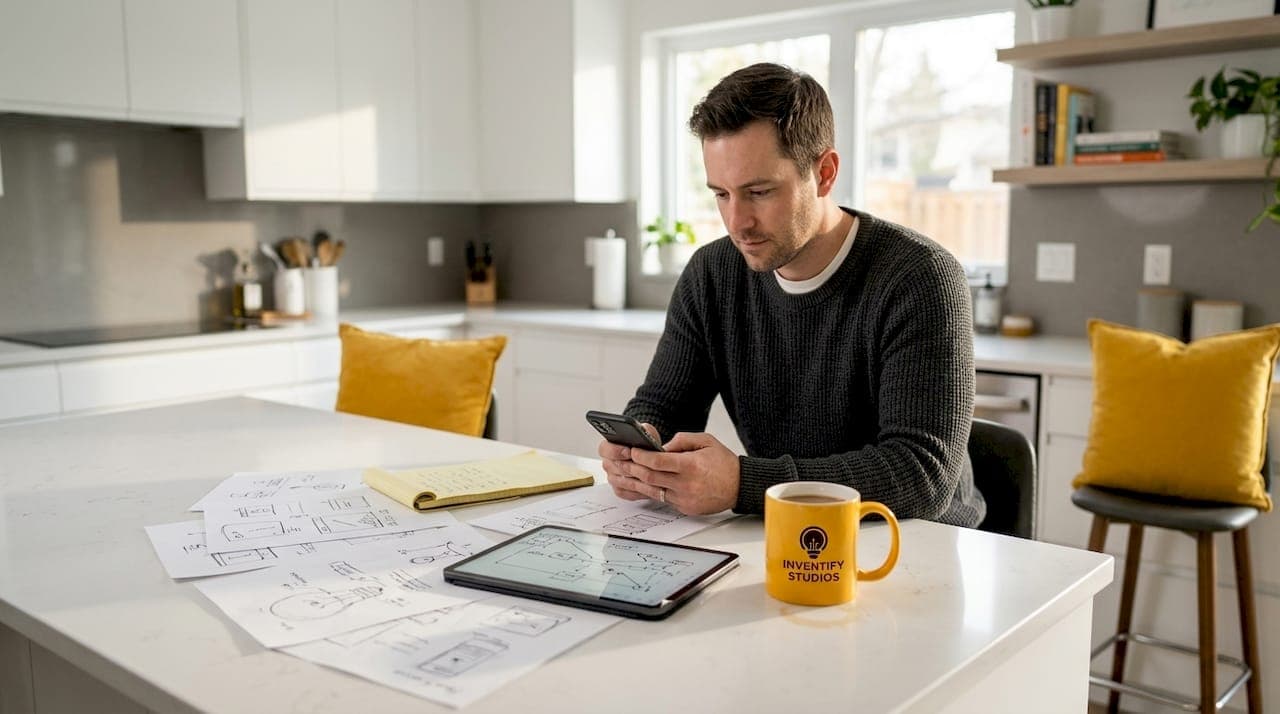
Most inventors who bypass professional consultation believe they are making a smart financial decision. They see the cost of a patent attorney or product design consultant as optional. But why inventors skip professional consultation reveals something more nuanced than simple frugality. It is a mix of fear, misinformation, and overconfidence in online resources. This article breaks down the real reasons inventors avoid expert help, what it costs them, and how to get the guidance you need without draining your budget before your idea even launches.
Table of Contents
- Key Takeaways
- Why inventors skip professional consultation
- The real risks of skipping professional advice
- What professional consultations actually do for you
- How to get expert input without spending a fortune
- Knowing when to engage and what to do next
- My honest take on why this keeps happening
- Start your invention with the right foundation
- FAQ
Key Takeaways
| Point | Details |
|---|---|
| Cost fear drives avoidance | Inventors overestimate consultation fees and underestimate the cost of mistakes made without expert input. |
| DIY patents carry hidden risks | A poorly written provisional application can create a "priority mirage" that strips you of protection you thought you had. |
| Early consultation is strategic | Talking to a professional before building saves time and prevents costly redesigns later. |
| Selective consulting works | One focused early consultation can serve as a roadmap that makes your DIY efforts far more effective. |
| AI tools lower the barrier | Platforms like Inventifystudios let you validate, prototype, and draft patent-ready documents affordably before committing to full legal fees. |
Why inventors skip professional consultation
The most common reason is cost. Patent attorneys charge between $300 and $500 per hour, and a full utility patent application can run $10,000 or more. For a first-time inventor working from a garage or a spare bedroom, that number feels impossible before a single dollar of revenue exists.
Beyond money, there is a real intimidation factor. The patent system is dense, full of legal language, and genuinely confusing. Many inventors assume that engaging a professional means giving up control or committing to an expensive, open-ended process they do not fully understand.
Here is what actually drives the decision to go it alone:
- Perceived high cost. Inventors assume every interaction with a professional equals a large bill. In reality, many attorneys offer a first consultation at a flat rate or free of charge.
- Overconfidence in online research. YouTube tutorials and inventor forums create a false sense of readiness. The information is often accurate but incomplete, missing the strategic context only a professional provides.
- Mistrust of the system. Some inventors fear that sharing their idea will lead to theft. Non-disclosure agreements exist for this exact reason, but the fear persists.
- The "I'll figure it out" mindset. First-time inventors especially tend to treat professional input as something to pursue after they have made more progress, not before.
- Assumption that DIY is faster. Filing a provisional patent application yourself feels like action. It often is not the right action.
Pro Tip: Before you dismiss consulting a professional, search for patent bar associations in your state. Many offer free inventor clinics where you can get 30 minutes of real attorney time at no cost.
The real risks of skipping professional advice
Skipping professional input does not eliminate risk. It transfers it entirely onto you, often at the worst possible moment.
DIY product development frequently leads to technical debt, where premature engineering decisions force costly redesigns later. Design firms report that inventors often arrive with work that cannot be manufactured as built, requiring the entire prior effort to be scrapped and rebuilt. That is not savings. That is doubling the cost.
The patent side is equally dangerous. A DIY provisional patent that lacks sufficient technical detail cannot be amended later. Worse, it can trigger the on-sale bar if your product launches publicly before a complete, non-provisional application is filed. You could be selling your product while unknowingly eliminating your ability to ever patent it.
"Inadequate provisional applications create a 'priority mirage' where key claims lose the benefit of the early filing date, harming enforceability and long-term value." — Lockhart IP
The risks compound fast. Consider these common pitfalls:
- Weak claim language. Without professional input, inventors often describe their invention broadly but fail to claim what is actually novel. A broad description does not equal broad protection.
- Premature public disclosure. Posting your invention on social media or showing it at a trade show before filing can destroy patent rights in most countries outside the U.S.
- Filing errors. Professional review prevents filing-quality problems early. Without it, errors surface after submission, when corrections are expensive or impossible.
- Lost market windows. Fixing technical debt and refiling weak patents takes time. Competitors can move faster if you are stuck correcting avoidable errors.
The irony is sharp. Inventors skip professional consultation to save money, then spend significantly more fixing problems that a single early conversation could have prevented.
What professional consultations actually do for you
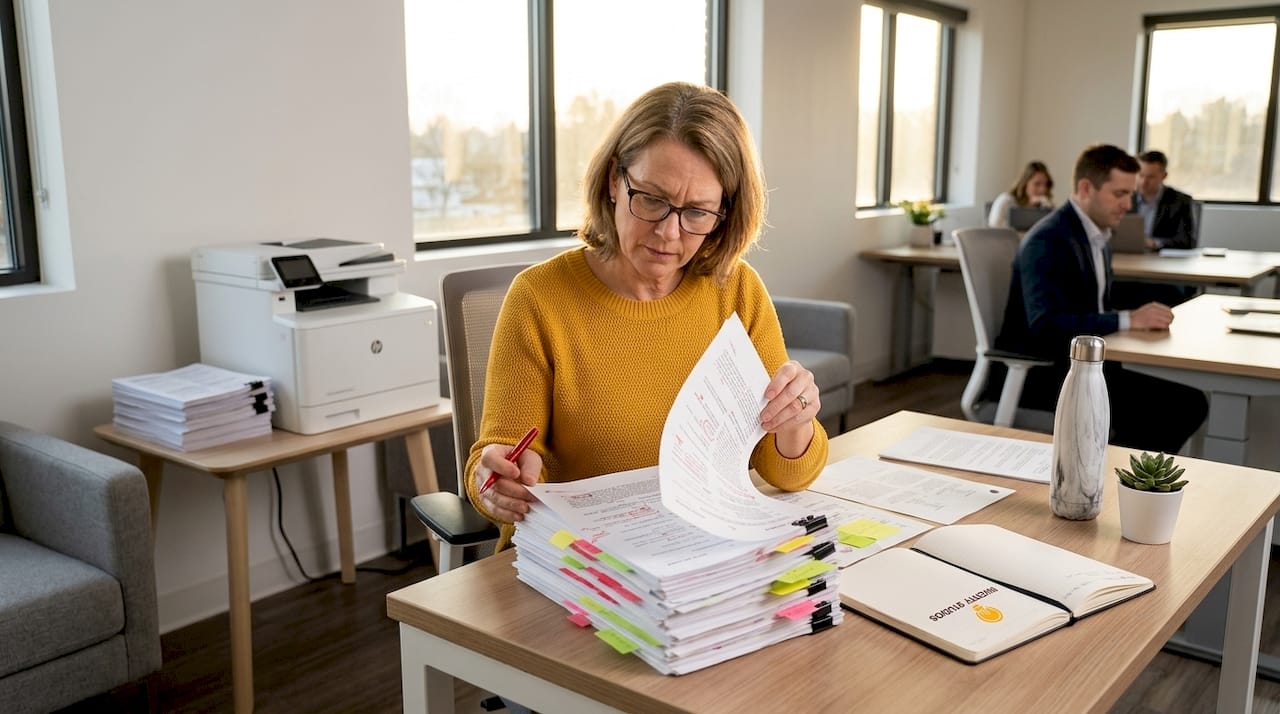
Most inventors picture a patent consultation as a formal meeting where a lawyer tells them whether their idea is good. That is not what happens. First patent consultations are about understanding the invention and mapping next steps, not issuing a verdict on your idea's potential.
The real value breaks down into four areas:
- Claim strategy. Patent attorneys focus on claim planning and disclosure to make sure the most commercially valuable aspects of your invention are actually protected, not just described.
- Timing guidance. Consulting a patent attorney before building a prototype helps preserve your rights by ensuring disclosures happen at the right time with enough detail to support future claims.
- Avoiding wasted work. A professional can flag design or technical directions that will create manufacturing problems before you spend months building a dead end.
- Strategic framing. Good consultants help you understand what you actually have, what it is worth pursuing, and where your energy should go next.
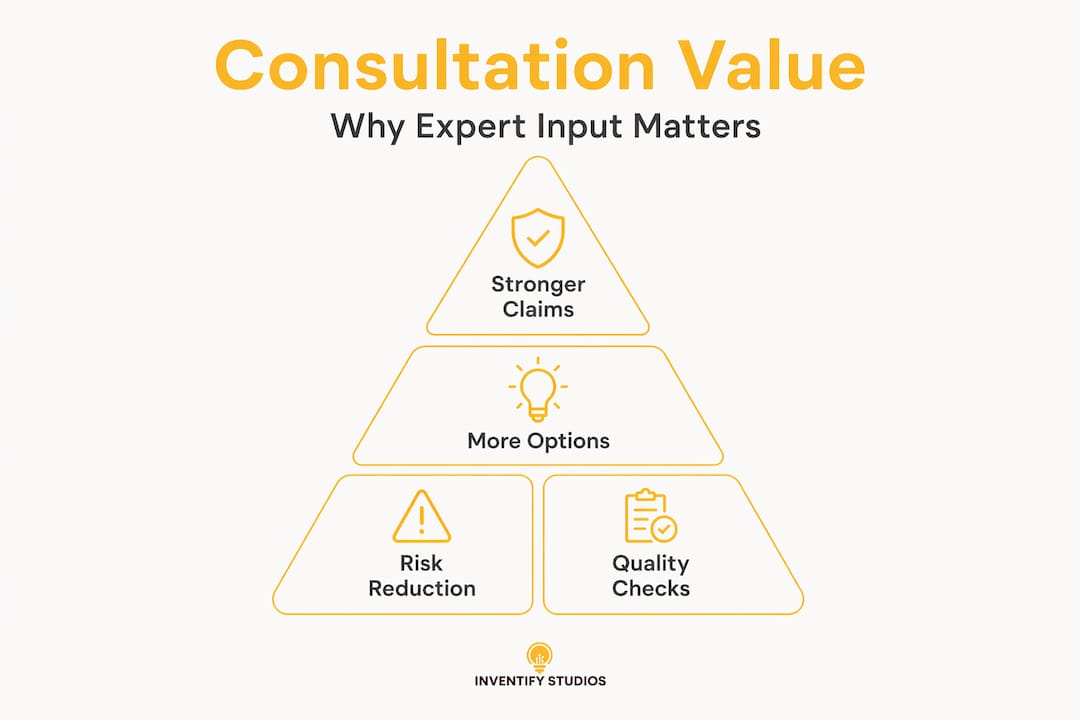
Consultations also surface options you may not know exist. Pro bono legal clinics, law school patent programs, and inventor assistance programs through the U.S. Patent and Trademark Office all offer cost-effective access to expert input. The importance of expert guidance early in the process is documented repeatedly: specialists who review IP and technical direction at the outset help founders launch faster and with fewer costly pivots.
Pro Tip: Prepare a one-page summary of your invention before any consultation: what it does, what makes it different from existing products, and how it works. This maximizes your time and helps the professional give you strategic direction from the first minute.
How to get expert input without spending a fortune
The good news is that you do not have to choose between full professional engagement and going entirely alone. There is a smarter middle path.
Using a consultation as a strategy checkpoint can reduce costs while preserving patent quality. One focused session with a patent professional early on, even just 60 minutes, gives you a roadmap that makes your DIY actions far more effective.
Here is how to blend professional input with self-directed work:
| Approach | When to use it | What you get |
|---|---|---|
| Single strategy consultation | Before filing anything | Direction on claims, timing, and risks |
| AI-powered prototype tools | Early concept stage | Visual validation and technical framing |
| Professional patent proofreading | Before submission | Error-free filing without full attorney drafting fees |
| Market validation first | Before heavy IP investment | Confirms demand before you spend on patents |
| Inventor clinics / pro bono | Any stage | Free attorney time for basic strategic guidance |
Beyond the consultation itself, your preparation matters enormously. Inventors' active involvement in clearly communicating what is novel and commercially valuable is essential. Attorneys cannot replace your insight into what the invention does and why it matters. Walk in with clarity on those two things, and even a short consultation becomes powerful.
Online inventor communities, USPTO resources, and platforms that combine AI-generated prototypes with patent-readiness tools let you build knowledge and validate concepts before you spend a dollar on professional services. The goal is not to avoid professionals forever. It is to engage them at the right moment with the right preparation, so every dollar spent on expert input delivers maximum return.
Knowing when to engage and what to do next
There is a difference between DIY work that builds momentum and DIY work that builds problems. Recognizing which one you are doing is the clearest signal that it is time to bring in expert help.
Watch for these signs:
- You are preparing to file a provisional or utility patent application for the first time.
- You have disclosed your invention publicly and are unsure whether your patent rights are still intact.
- Your prototype is ready but you have not yet assessed manufacture-readiness or production costs.
- You have done online research but cannot confidently explain what makes your invention patentable.
- A competitor appears to be developing something similar and time feels urgent.
Early patent attorney involvement is less about paperwork and more about strategic claim development. The earlier you get that input, the more options you have. Waiting until you are ready to file means the strategic window for protecting your best claims may already be narrowing.
Think of professional consultation not as a checkpoint you must pass, but as a tool you can deploy strategically. Use it to confirm direction, compress your learning curve, and avoid the mistakes that cost inventors the most: bad filings, wasted prototypes, and missed market timing.
My honest take on why this keeps happening
I have seen hundreds of inventors make the same call: skip the consultation now, handle it later. I understand the logic. Money is tight, confidence is high, and the first version of an idea always feels close enough to done.
What I have learned is that the resistance is rarely really about money. It is about fear of being told your idea is not good enough. A consultant feels like a judge. So inventors avoid the meeting entirely and go straight to building.
The irony is that real consultations do not work that way. A good patent professional or product design consultant is not there to evaluate your worth as an inventor. They are there to help you protect what you have built and avoid the traps that kill otherwise solid inventions. I have watched a single one-hour conversation change the entire direction of an inventor's approach in ways that saved months of rework and thousands of dollars.
The hardest mindset shift is this: consulting early is not an admission of weakness. It is the move that separates inventors who protect their work from those who build it and then lose it. Treat professionals as partners in the process, not gatekeepers at the door.
— Hua
Start your invention with the right foundation
Inventifystudios was built specifically for inventors who want expert-level results without the traditional price tag. Whether you are at the idea stage or ready to develop a prototype, the platform gives you AI-powered tools to validate your concept, generate 3D visuals, and build patent-ready documentation, all in one place.
You can start your invention today and move from concept to protected, market-ready idea faster than any traditional consulting path allows. Inventifystudios removes the financial barriers that cause most inventors to skip the help they actually need. Browse the inventor portfolio to see what others have built with the platform. When you are ready to take your idea seriously, Inventifystudios is built to meet you exactly where you are.
FAQ
Why do most inventors avoid hiring a patent attorney?
Most inventors avoid patent attorneys because of perceived high costs and fear of the legal process. Many do not realize that short, focused consultations are available at flat rates or even free through inventor clinics.
What are the biggest risks of filing a DIY provisional patent?
A DIY provisional patent with insufficient technical detail cannot be amended and may fail to support your later claims, creating a "priority mirage" where you lose the benefit of your early filing date entirely.
When is the right time to seek professional help for your invention?
The best time to consult a professional is before you file anything and before you publicly disclose your idea. Early input protects your rights and prevents costly technical and legal mistakes down the line.
Can I balance DIY invention work with professional consultation?
Yes. A focused single consultation early in the process can serve as a strategic roadmap, letting you execute DIY work more effectively while preserving your patent rights and avoiding common filing errors.
How does skipping consultation affect long-term invention costs?
Skipping professional input typically increases long-term costs through redesigns, weak patent filings, and missed market timing. Early expert guidance almost always costs less than fixing the problems that result from going it alone.