
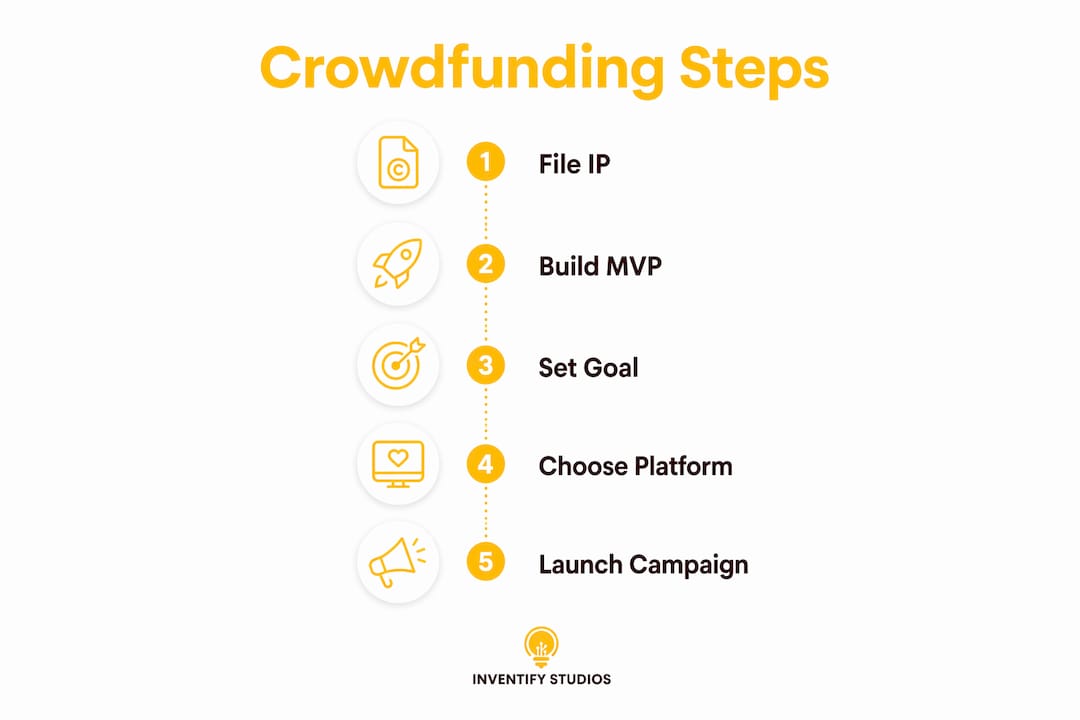
Crowdfunding invention without consulting is defined as the practice of independently managing every stage of a campaign, from intellectual property protection to backer outreach, without paying outside advisors. Inventors who take this path keep more equity, move faster, and avoid fees that can run into thousands of dollars before a single backer commits. The key is sequencing: protect your IP first, build a focused prototype second, and launch your campaign third. Inventifystudios exists precisely for this workflow, offering AI-powered patent analysis and 3D prototype generation at a fraction of traditional consulting costs.
What IP protection do you need before crowdfunding?
Securing intellectual property protection is the single most important step before any public crowdfunding activity. Crowdfunding campaigns count as public disclosure, which means preview pages, demo videos, and social posts can forfeit your patent rights internationally if you have not filed first. This is not a technicality. It is a hard legal deadline that catches inventors off guard every year.
The most practical first move is a provisional patent application. Filing a provisional patent costs as little as $65 to $130 in USPTO fees and locks in your priority date for 12 months. That window gives you time to prototype, test, and launch your campaign while legally displaying "Patent Pending." You do not need an attorney to file a provisional application, though the quality of your claims matters for the full application later.
A common misconception is that a crowdfunding campaign itself proves ownership. It does not. Backers seeing your idea publicly does not create any legal protection. What protects you is the filing date on your provisional or full patent application.
- File your provisional patent before posting any campaign preview, teaser video, or social media announcement.
- Use the USPTO's official online portal to file directly and avoid third-party filing fees.
- Document your invention thoroughly with dated sketches, notes, and photos before filing.
- Read up on DIY patent strategy to understand claim structure before you write your application.
Pro Tip: Set a calendar reminder for 10 months after your provisional filing date. You have 12 months to convert to a full patent application, and missing that deadline means losing your priority date entirely.
Experienced inventors warn that crowdfunding platforms attract copycats who treat public campaigns as a product catalog. Filing before you go public is the only reliable defense.
How do you build an MVP independently for a crowdfunding campaign?
A minimum viable product, or MVP, is the simplest version of your invention that demonstrates its core function to potential backers. You do not need a finished product. You need proof that the idea works. That distinction saves inventors months of unnecessary development time and thousands of dollars in consulting fees.
Solo inventors can build a functional MVP in 2–8 weeks using no-code tools and AI platforms, provided they maintain strict scope discipline. The trap most inventors fall into is building features nobody asked for. Define one core workflow, build it completely, and stop there until backers validate demand.
- Define the single core function your invention must perform to solve the problem. Write it in one sentence.
- Choose your build method. Physical products benefit from 3D printing and rapid prototyping services. Digital or app-based inventions can use no-code platforms to create working demos.
- Set a hard deadline of four weeks for your first working version. Scope creep is the enemy of solo development.
- Record a demonstration video showing the MVP solving the problem in real conditions, not a staged environment.
- Gather feedback from 10 to 20 people in your target niche before finalizing campaign materials.
Pro Tip: Building a core MVP feature end-to-end before launch reduces scope creep and keeps your development aligned with what users actually need. Resist adding a second feature until the first one is fully validated.
For inventors who need product design guidance beyond basic prototyping, resources like Angry Digital's product strategy services offer structured frameworks for solo founders building MVPs with modern digital tools. Inventifystudios also provides an AI prototype generator that produces 3D concept visuals in minutes, which works well for campaign imagery and early backer presentations.
How do you launch and manage a DIY crowdfunding campaign?
A DIY crowdfunding campaign succeeds when preparation outweighs promotion. Most inventors spend too much time on the campaign page and too little time building the audience that will fund it. The sequence matters more than the platform.
Choosing your platform
Reward-based platforms charge fees typically in the range of 5% to 8% of funds raised, plus payment processing fees. All-or-nothing funding models protect you from fulfilling orders you cannot afford to ship. Fixed funding models let you keep whatever you raise. Choose based on your production cost certainty.
Crafting your campaign message
Niche community targeting and clear messaging consistently outperform broad, unfocused campaigns. Write your campaign headline for the specific person who has the problem your invention solves. Avoid generic language like "revolutionary product." Describe the exact situation your backer is in and how your invention fixes it.
Marketing on a lean budget
- Post in niche forums, subreddits, and Facebook groups where your target audience already gathers.
- Build an email list before launch using a simple landing page with a waitlist signup.
- Ask for honest feedback publicly. Transparent development builds trust faster than polished marketing.
- Charging a small nominal fee early, even $1 for early access, filters serious interest from casual browsers and gives you a real demand signal.
Setting your funding goal
Set your goal at the minimum amount needed to produce and ship your first batch. Overfunding is a good problem. Underfunding your goal and missing it on an all-or-nothing platform means starting over. Calculate your unit production cost, add 20% for unexpected expenses, and multiply by your minimum viable order quantity.
| Campaign element | What to prioritize |
|---|---|
| Funding goal | Minimum viable production run, plus 20% buffer |
| Campaign length | 30 days is the proven standard for reward campaigns |
| Update frequency | At least one backer update per week during the campaign |
| Marketing channels | Niche communities, email list, and earned media first |
| Metrics to track | Conversion rate on campaign page visits, not just total raised |
What are the most common crowdfunding mistakes solo inventors make?
The biggest mistake is timing. Inventors who launch a campaign before filing any IP protection hand competitors a blueprint. Crowdfunding campaigns constitute public disclosure that can forfeit international patent rights the moment a campaign page goes live. Filing a provisional patent first costs under $130 and eliminates this risk entirely.
Crowdfunding should be treated as the final marketing push after securing priority patent filings, not the first step in your invention process. Inventors who reverse this order often discover they cannot patent what they have already disclosed publicly, leaving their idea legally unprotected at the exact moment it gains visibility.
The second most common mistake is over-scoping the MVP. Inventors add features to impress backers, then miss delivery timelines, which destroys backer trust. Stick to the single core function. Backers fund solutions to problems, not feature lists.
Budget misallocation also derails independent campaigns. Spending heavily on paid advertising before building an organic audience almost never pays off for first-time inventors. Paid ads work when you already have social proof. Build that proof first through community engagement, press outreach, and early adopter testimonials.
Finally, ignoring licensing basics creates legal exposure after a successful campaign. If your invention uses any third-party components, materials, or software, confirm your rights to commercialize them before you accept a single dollar from backers. A bootstrapped inventor strategy accounts for these legal basics from day one, not after funding closes.
Key Takeaways
Funding inventions independently requires sequencing IP protection, MVP development, and campaign execution in the right order to protect your idea and maximize backer confidence.
| Point | Details |
|---|---|
| File IP before going public | A provisional patent costs $65–$130 and prevents public disclosure from forfeiting your rights. |
| Build a focused MVP first | Limit your prototype to one core function and complete it within four weeks to avoid scope creep. |
| Target niche communities | Clear messaging to a specific audience outperforms broad campaigns every time. |
| Set a realistic funding goal | Calculate minimum production costs, add a 20% buffer, and choose your funding model accordingly. |
| Protect before you promote | Crowdfunding platforms attract copycats; legal protection before launch is your only reliable defense. |
What I've learned from watching inventors go it alone
Hua here. I have watched a lot of inventors make the same mistake in the same order: they build something exciting, post it publicly to generate buzz, and then discover they cannot patent it because the internet already saw it. The enthusiasm is real. The timing is wrong.
The inventors who succeed at funding inventions independently share one trait: they treat pre-launch as a long game. They spend weeks in niche communities before they ever post a campaign link. They answer questions, share problems, and build credibility. When they finally launch, the community already knows them. That is not a marketing trick. It is how trust actually works.
I also think inventors underestimate how much the provisional patent changes the psychology of a campaign. "Patent Pending" on a campaign page signals seriousness. Backers read it as a signal that you have done the work. Startups with patent protection raise 40–60% more funding than those without. That number reflects something real: legal protection signals commitment, and backers respond to commitment.
The tools available now make this genuinely achievable without a consulting budget. AI-powered platforms, no-code builders, and affordable patent filing options have removed most of the barriers that once required expensive outside help. The remaining barrier is discipline. Focus on one problem, protect it early, and build your audience before you need it.
— Hua
How Inventifystudios fits into your independent crowdfunding plan
Inventors who want to fund their ideas without consulting fees still need reliable tools for the technical steps.
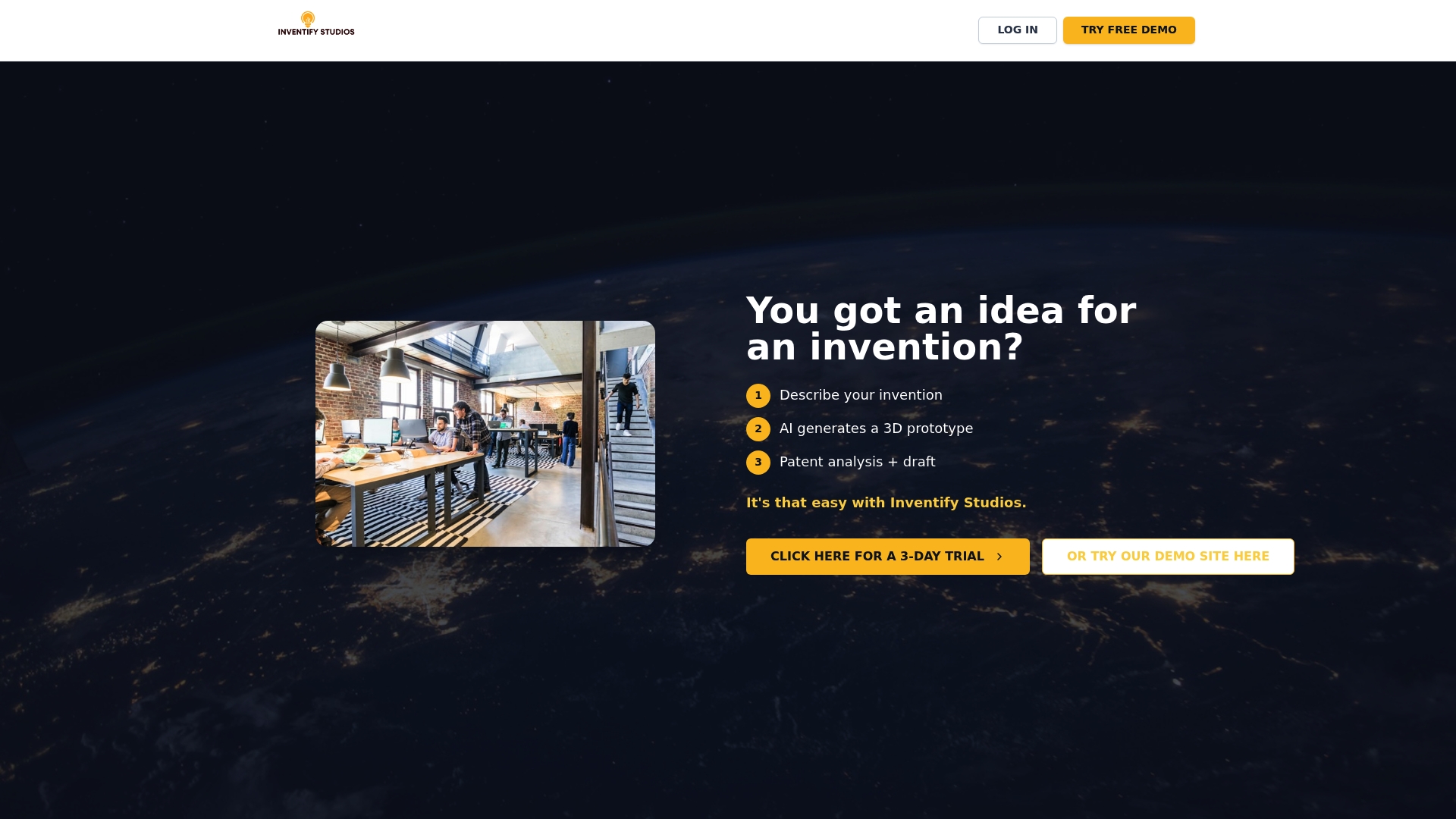
Inventifystudios provides AI-powered invention validation, 3D prototype generation, and patent-ready draft insights at a cost that fits a lean crowdfunding budget. You can assess your invention's patentability, generate visual prototypes for your campaign page, and get provisional patent drafting guidance without hiring a consultant. The invention detail service walks you through each step of documenting and protecting your concept before you go public. For inventors who want to move fast and stay protected, Inventifystudios removes the steps that typically require outside expertise.
FAQ
What is crowdfunding invention without consulting?
Crowdfunding invention without consulting means independently managing IP protection, prototype development, and campaign execution without paying outside advisors or agencies. Inventors use affordable tools and self-guided resources to handle each step themselves.
Do I need a patent before launching a crowdfunding campaign?
You need at least a provisional patent application filed before your campaign goes public. Crowdfunding campaigns count as public disclosure and can forfeit international patent rights if no IP protection is in place first.
How much does it cost to file a provisional patent yourself?
USPTO fees for a provisional patent range from $65 to $130 depending on applicant size. This gives you 12 months of "Patent Pending" status and a locked priority date while you develop and launch your campaign.
How long does it take to build an MVP independently?
A focused MVP can be built in 2–8 weeks using no-code or AI tools when scope is strictly limited to one core function. Expanding scope beyond that single function is the primary reason solo inventors miss their timelines.
Can I crowdfund without any marketing budget?
Yes. Niche community engagement, email waitlists, and earned media coverage are the most effective early channels for solo inventors and cost nothing but time. Paid advertising works best after you have already built social proof through organic outreach.