

Technology is the single most powerful force reducing invention costs today, compressing development timelines and budgets by over 80% in fields from drug discovery to patent prosecution. The role of technology in reducing invention costs is no longer theoretical. Generative AI has cut drug development costs from $100–$200 million down to approximately $6 million in documented cases. AI-assisted patent tools slash search and drafting expenses by up to 85–90%. For aspiring inventors and entrepreneurs, these are not distant industry trends. They are cost levers you can pull right now.
What specific technologies are driving cost reductions in invention?
Four technology categories are reshaping how inventors spend money at every stage of development.
Generative AI for R&D simulation. AI models now run computational simulations that previously required expensive lab infrastructure. In drug discovery, this shift cut development timelines from 6–8 years down to 18 months. The same principle applies to physical product invention: AI can model stress tests, material behavior, and design variations before a single prototype is built.

AI-assisted patent prior art search. Finding existing patents used to require a professional searcher and days of work. AI tools now reduce search time by 70% while improving citation quality by 12–46%. That means you get a better picture of the patent landscape at a fraction of the traditional cost.
Synthetic data generation. Software inventors face enormous data annotation costs when training AI-powered products. Generative AI addresses this directly. Synthetic data generation cuts annotation expenses by up to 95%, making software invention dramatically cheaper for solo founders and small teams.
Cloud infrastructure and automation. Cloud platforms eliminate the need for owned hardware in early-stage R&D. Automation tools handle repetitive testing, documentation, and iteration tasks that previously required paid hours. Together, they lower the operational floor for any inventor working on a tight budget.
- Generative AI for simulation and early R&D
- AI-assisted patent search and drafting
- Synthetic data generation for software inventions
- Cloud infrastructure replacing owned hardware
- Automation tools for testing and documentation
Pro Tip: Before spending on any physical prototype, run a computational simulation or AI-generated 3D model first. You will find design flaws in hours rather than weeks, and at a fraction of the cost. Inventifystudios offers an AI prototype generator that makes this step accessible without a technical background.
How do AI tools cut patent costs for solo inventors and startups?
Patent costs are one of the largest financial barriers for independent inventors. Understanding where technology creates savings requires knowing the baseline numbers first.
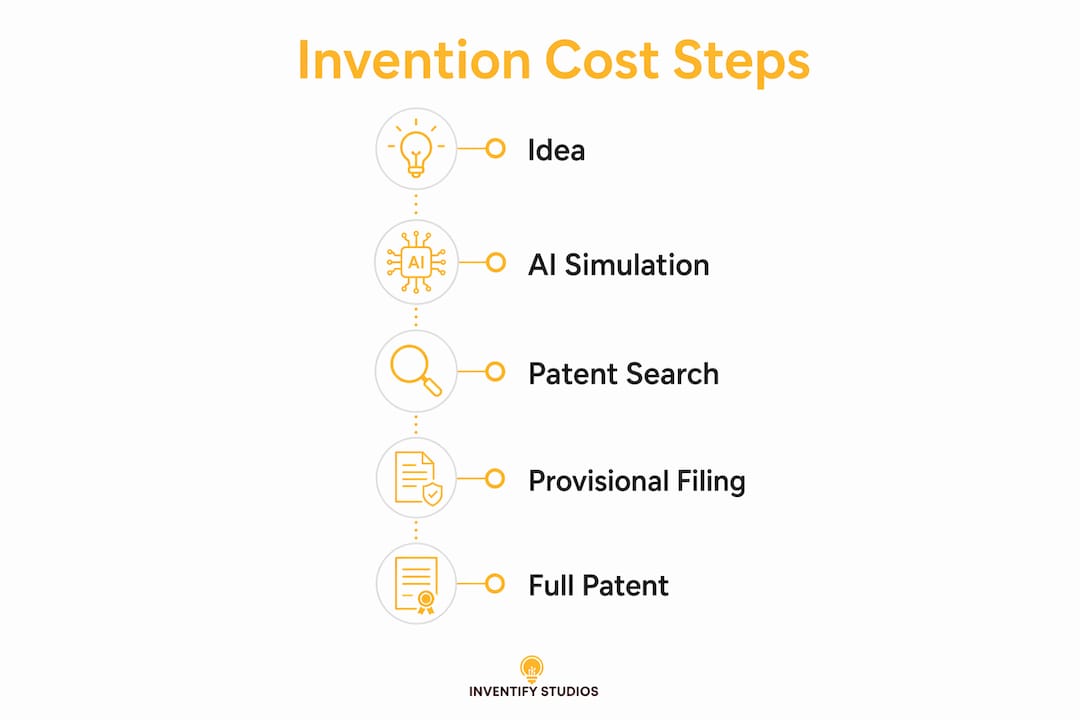
A U.S. utility patent for a small entity typically costs $15,000–$30,000. International filings add $60,000–$200,000 or more. A provisional patent, by contrast, costs far less and defers major expenses by up to 12–30 months. That deferral window is where technology creates its biggest advantage: you use it to validate your idea before committing to full prosecution costs.
| Filing type | Traditional cost | With AI tools |
|---|---|---|
| Provisional patent drafting | $2,000–$5,000 (attorney) | $515–$765 (AI + limited review) |
| Prior art search | $1,500–$3,000 | 70% less time and cost |
| U.S. utility patent (small entity) | $15,000–$30,000 | Reduced through AI-assisted drafting |
| International filing | $60,000–$200,000+ | Deferred until market traction proven |
The most concrete saving is in patent drafting. AI-assisted drafting tools allow solo inventors to produce a patent draft and then pay for limited expert review, bringing total costs to $515–$765. That is an 85–90% reduction compared to full attorney drafting. The tradeoff is that you must provide a high-quality invention disclosure. Garbage input produces garbage output, regardless of how good the AI tool is.
- File a provisional patent first to lock in your priority date at low cost
- Use AI search tools before hiring a professional searcher
- Combine AI-generated drafts with targeted attorney review, not full drafting
- Defer international filings until you have confirmed commercial traction
Pro Tip: Use the 12-month provisional window to run market validation. If the product gains real traction, you have the data to justify full utility patent costs. If it does not, you have saved tens of thousands of dollars. Read more about early patent timing to plan this correctly.
What are the real pitfalls of using technology to cut invention costs?
Technology reduces costs. It does not eliminate the need for strategic thinking. This distinction matters more than most inventors realize.
The most common mistake is treating AI tools as a replacement for clear problem definition. AI tools require high-quality invention disclosures to produce useful output. If you cannot clearly describe what your invention does and why it is different, no AI tool will fix that gap. Technology scales execution. It does not replace the thinking that must come before execution.
"Cheap patents are usually bad patents." The focus should be on right-sizing investment for quality, not minimizing spend at every turn. A weak patent application leads to more office actions, longer prosecution timelines, and a final patent that is difficult to enforce. That is more expensive in the long run than spending correctly upfront.
Initial patent application quality directly reduces prosecution costs and improves the long-term value of your IP. Cutting corners on claim drafting or prior art analysis to save money today creates larger bills later. The goal is not the cheapest patent. The goal is the strongest patent at the right price.
International filings are another common budget trap. Inventors who file in multiple countries too early exhaust their budgets before proving commercial viability. National phase entry costs $30,000–$50,000 per country. That money is gone if the product never reaches market. The prudent approach is to defer international filings until you have funding or confirmed sales that justify the spend.
- Do not skip expert review entirely, even with AI drafting tools
- Define your invention clearly before using any AI tool
- Avoid filing internationally before validating market demand
- Prioritize patent quality over patent volume
What practical steps can inventors take to reduce invention expenses?
Reducing invention expenses requires a sequence of decisions, not a single tool purchase. The steps below reflect how cost-effective inventors actually operate in 2026.
-
Define the problem first. Before touching any AI tool, write a clear one-page description of what your invention does, who it serves, and what makes it different. This document drives every downstream AI interaction and determines the quality of your output.
-
Run computational simulations before building. AI-driven tools help inventors fail earlier and cheaper by running simulations and validations before expensive late-stage development. A failed simulation costs hours. A failed physical prototype costs thousands.
-
File a provisional patent to establish priority. A provisional patent locks in your filing date at low cost and gives you up to 12 months to refine your invention and validate the market. Use this window aggressively. Pair it with AI-assisted drafting to keep costs under $1,000.
-
Use AI for prior art search before hiring a professional. Run an AI-assisted search first. You will identify the most relevant prior art yourself, which makes any subsequent professional review faster and cheaper. This approach cuts patent search costs significantly.
-
Consult professionals strategically, not by default. Use attorneys for claim review and legal strategy, not for tasks AI handles well. Targeted expert input on a strong AI-generated draft costs far less than full attorney drafting from scratch.
-
Defer international filings. Hold off on PCT or national phase filings until you have market validation or investor backing. This single decision can save $60,000 or more in early-stage budgets.
Pro Tip: Treat your invention budget as a series of gates. Each gate requires evidence before you spend on the next stage. AI tools make early gates cheaper, which means you preserve capital for the stages where expert help genuinely matters. Explore invention budget planning to map your full cost timeline.
Key takeaways
Technology and strategic thinking together produce the greatest cost reductions in invention, with AI tools cutting patent drafting costs by 85–90% and computational simulation eliminating expensive late-stage failures.
| Point | Details |
|---|---|
| AI cuts patent drafting costs sharply | AI-assisted drafting with limited expert review costs $515–$765, an 85–90% saving over attorney drafting. |
| Provisional patents defer major expenses | Filing a provisional patent locks in priority and defers utility costs by up to 12–30 months. |
| Simulation reduces physical prototype waste | Computational tools let inventors identify design flaws before building, saving thousands per iteration. |
| International filings should wait | Deferring global filings until market traction is proven avoids $30,000–$50,000 per-country costs. |
| Quality input drives AI output quality | Poor invention disclosures produce weak AI drafts; clear problem definition is the real cost multiplier. |
The uncomfortable truth about cheap invention strategies
I have watched inventors make the same mistake repeatedly: they treat cost reduction as the primary goal and end up with patents that cannot be enforced and prototypes that solve the wrong problem. Technology does not fix a poorly defined invention. It amplifies whatever you put in.
The real shift I see in 2026 is not that AI makes invention cheap. It is that AI makes strategic invention cheap. Inventors who define their problem clearly, run simulations before building, and use AI drafting tools as a first pass rather than a final product are the ones who come out ahead. They spend less and get more because they are using technology as a multiplier on good thinking, not as a substitute for it.
Falling invention costs are also changing how patents function. Patents are shifting from mandatory legal protections into strategic information assets that inform innovation planning. That is a meaningful change. It means the inventors who understand both the technology and the strategy will have a structural advantage over those who just use the cheapest tool available.
My advice is direct: use AI tools aggressively at every stage where they reduce cost without reducing quality. Use professionals precisely where quality depends on human judgment. And never file internationally before your market tells you to. The inventors who follow this sequence spend less, protect more, and move faster than anyone who tries to cut every cost at once.
— Hua
How Inventifystudios helps inventors cut costs without cutting corners
Inventifystudios combines AI-powered tools with structured invention guidance to help you move from idea to protected concept without the fees that traditional consulting firms charge.
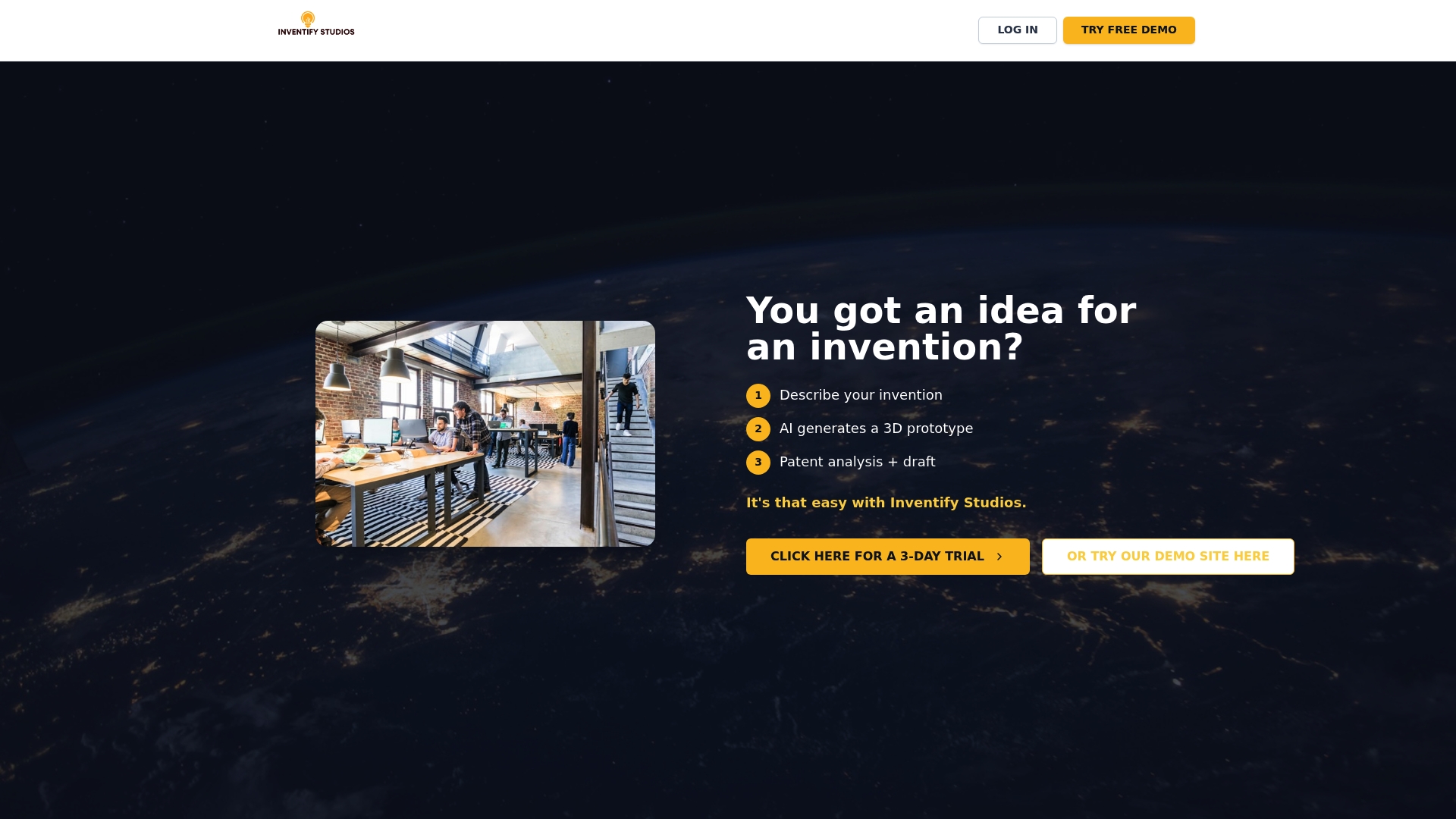
The platform gives you access to an AI prototype generator, patent analysis, and provisional patent drafting support in one place. You can create a 3D prototype concept in minutes, assess your invention's patentability, and get drafting guidance for your provisional patent filing. These are the exact tools that reduce invention development costs at the stages where most inventors overspend. Inventifystudios is built for first-time inventors and experienced entrepreneurs who want to protect their ideas without paying for services they do not need yet.
FAQ
How much can AI tools reduce patent drafting costs?
AI-assisted patent drafting combined with limited expert review brings total costs to $515–$765, representing an 85–90% reduction compared to traditional attorney-led drafting.
What is the cheapest way to protect an invention early?
Filing a provisional patent is the most cost-effective first step. It establishes your priority date and defers major utility patent costs by up to 12–30 months while you validate your idea.
Does AI replace patent attorneys for inventors?
AI replaces the drafting and search tasks that attorneys charge the most for, but it does not replace strategic legal judgment. The best approach combines AI-generated drafts with targeted attorney review on claims and strategy.
How does computational simulation reduce invention costs?
Computational simulation lets inventors test and fail early before committing to expensive physical prototypes or late-stage development, cutting the cost of each design iteration significantly.
When should an inventor file international patents?
Defer international filings until you have confirmed commercial traction or investor backing. National phase entry costs $30,000–$50,000 per country, and filing too early exhausts budgets before market viability is proven.